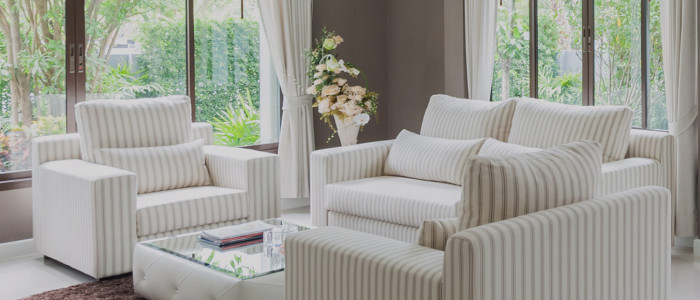

What makes pinch pleat curtains different?

Pinch pleat curtains are tailored window treatments with neatly sewn pleats gathered at the top, creating a polished look that feels both classic and current. They are a smart choice when you want curtains that hang beautifully, control light well, and make a room feel more finished without relying on heavy decoration.

Whether you are comparing pleated curtains for a living room, choosing pinch pleat linen curtains for a bedroom, or upgrading basic panels to something more refined, the details matter. The right fabric, hardware, width, and hanging method can turn pinch pleat drapes into one of the most quietly effective design choices in your home.

What makes pinch pleat curtains different?

Pinch pleat curtains are different because the fullness is sewn into the heading rather than created loosely on the rod. The fabric is “pinched” into evenly spaced folds, often in two-finger or three-finger pleats, so the panel keeps a consistent shape whether it is open, closed, or stacked to the side.

That structure is what gives pinch pleat curtains their tailored character. Unlike rod pocket or tab top curtains, which can bunch unevenly, pleated drapes fall in organized vertical lines. This helps the window look intentional and balanced, especially when the curtains are hung high and wide.

You may also see them called french pleat curtains, especially when the pleats are grouped into a more formal, traditional heading. The names are often used in similar conversations, but the main idea is the same: shaped pleats at the top create a refined drape from ceiling to floor.

close-up of structured pinch pleat curtain heading with drapery pins

The design benefits of a structured pleat

The biggest visual benefit of pinch pleat drapes is consistency. Because the pleats are sewn into place, the curtain does not depend entirely on how you pull the fabric across the rod. The folds naturally return to a graceful rhythm, which makes the room feel calmer and more thoughtfully styled.

This structure works in many interiors. In a formal dining room, french pleat curtains can frame the windows with a traditional, elegant finish. In a modern living room, simple pinch pleat linen drapes can soften clean lines without feeling fussy. In a bedroom, lined or blackout pinch pleat curtains add privacy while still looking elevated.

Pinch pleats also help create the impression of height. When mounted closer to the ceiling and extended beyond the window frame, the panels draw the eye upward and outward. This makes windows appear larger and helps the wall feel more expansive.

Key design advantages include:

  • A tailored silhouette: The sewn pleats create clean vertical lines that look composed rather than casual.
  • Reliable fullness: The fabric hangs with built-in volume, so the panels do not look flat when closed.
  • Versatile style: Pinch pleat linen curtains can feel relaxed, while velvet or heavier fabrics create a more dramatic look.
  • A finished room effect: Even simple furniture can feel more intentional when the window treatment is well proportioned.

How do pinch pleat drapes improve light control and privacy?

Pinch pleat drapes improve light control because their fullness gives the fabric better coverage across the window, especially when panels are measured generously and hung beyond the frame. When paired with lining, blackout fabric, or a denser weave, they can reduce glare, support privacy, and help a bedroom or media room feel more restful.

The fabric choice has a major influence on performance. Sheer pleated curtains filter sunlight and add softness while preserving an airy feeling. Unlined linen lets in more natural light and works well where privacy is less urgent. Lined pinch pleat linen drapes offer a useful middle ground: they keep the organic texture of linen while improving opacity and structure.

For rooms where darkness matters, such as bedrooms, nurseries, or TV areas, look for blackout or room-darkening options. The pleated heading itself does not make a curtain blackout, but it does help the panel hang evenly so gaps are easier to manage. For the best coverage, extend the rod wider than the window and allow the fabric to overlap the edges.

Fabric choices shape the final look

Fabric is where pinch pleat curtains can shift from crisp and formal to soft and relaxed. The same pleat style can look completely different depending on weight, texture, color, and lining.

Pinch pleat linen curtains are popular because linen brings texture without feeling heavy. They work well in living rooms, bedrooms, offices, and relaxed dining spaces where you want softness rather than shine. Natural linen tones are easy to layer with wood, stone, woven rugs, and neutral upholstery, while deeper colors can make the pleats feel more architectural.

Heavier fabrics, such as velvet-like or dense woven materials, create a fuller and more dramatic fall. They are useful when you want warmth, privacy, and a more luxurious presence. Sheers, by contrast, are best when the goal is diffusion rather than coverage. They can be used alone in low-privacy spaces or layered behind heavier pleated drapes for flexible light control.

When choosing fabric, consider:

  1. Room function: Bedrooms usually need more privacy and light control than living rooms or offices.
  2. Desired mood: Linen feels relaxed and natural; heavier fabrics feel richer and more formal.
  3. Maintenance needs: Some fabrics wrinkle more easily or require more careful cleaning.
  4. Hardware strength: Heavier curtains need rods, rings, brackets, or tracks that can support the weight.
  5. Lining options: Lining can improve opacity, protect the face fabric, and help the panel hang with more body.
pinch pleat linen drapes framing a tall living room window

Pinch pleats compared with other curtain styles

Pinch pleat curtains sit between decorative elegance and everyday practicality. They are more structured than many casual curtain styles, but they do not have to feel overly formal when the fabric and color are simple.

Compared with common alternatives:

  • Rod pocket curtains are easy to hang, but they can be harder to open and close smoothly. Pinch pleats usually glide better when hung from rings or a track.
  • Grommet curtains have a clean modern look, but the metal rings are visible and the folds are larger and less tailored.
  • Tab top curtains feel casual and relaxed, yet they can interrupt the vertical line at the top of the window.
  • Pencil pleat curtains offer a gathered look, often with adjustable heading tape, but they usually appear less sculpted than pinch pleats.
  • Goblet pleats are highly decorative and formal, while pinch pleats are easier to use across both traditional and contemporary rooms.

The trade-off is that pinch pleat drapes often require more planning. The pleat spacing is usually set, the fabric fullness is built in, and the final width needs to be chosen carefully. That extra precision is part of why they look so good, but it also means measuring matters.

How should you measure and hang pinch pleat curtains?

To measure and hang pinch pleat curtains well, start by deciding where the rod or track will sit, then measure the finished width and length from that point rather than from the window glass alone. For a more generous look and better coverage, hang the hardware above the window frame and extend it past both sides so the curtains can stack without blocking too much light.

A good starting point is to mount curtains “high and wide.” This usually means placing the rod several inches above the frame, or closer to the ceiling if the room suits it, and extending the rod beyond the window edges. The exact amount depends on wall space, ceiling height, and the fabric’s stack-back.

For width, remember that pinch pleat curtains are not measured like flat panels you plan to scrunch manually. The pleats already create fullness, so pay attention to the finished panel width listed by the seller or workroom. If you are using rings, a practical ring estimate is often one ring for each pleat plus one extra ring at the outer edge of each panel.

A simple measuring checklist:

  • Measure the full rod or track width, not just the window.
  • Decide whether panels will meet in the center or cover one side only.
  • Choose a finished length: sill, apron, floor-length, slight break, or puddle.
  • Confirm whether the listed width is pleated finished width or flat fabric width.
  • Check the recommended hook, ring, or carrier spacing before ordering hardware.
  • If using drapery pins, allow for small height adjustments after the curtains arrive.

Drapery pins are typically inserted into pockets behind the pleats, then attached to rings or track carriers. This hidden connection is one reason pinch pleat drapes look so clean from the front. Adjustable pins can also help fine-tune the finished length, which is useful when floors or rods are not perfectly level.

Installation details that make the result look custom

Small installation choices have a big effect on the final appearance. A curtain that is slightly too low, too narrow, or paired with weak hardware can lose the crisp effect that makes pinch pleats appealing in the first place.

Start with sturdy hardware that suits the curtain weight. Lightweight pinch pleat linen drapes may work well on a decorative rod with rings, while heavier lined panels may need stronger brackets or a track system. If the curtains will be opened and closed daily, smooth movement matters as much as appearance.

After hanging, train the pleats. This means arranging the folds by hand so they fall in even waves from top to bottom, then loosely tying the panels in place for a period of time. Training helps the fabric remember its shape, especially after shipping, steaming, or cleaning. Avoid tight ties that crush the fabric; the goal is guidance, not pressure.

Common installation mistakes to avoid:

  • Hanging the rod too close to the top of the window, which can make the room feel shorter.
  • Choosing panels that barely cover the frame, leaving light gaps at the sides.
  • Using too few rings or carriers, causing sagging between pleats.
  • Ignoring stack-back, so open curtains block more window than expected.
  • Skipping steaming or training when the panels arrive wrinkled.
hands attaching drapery pins from pinch pleat curtains to curtain rings

Care and maintenance keep pleats crisp

Pinch pleat curtains are not difficult to live with, but they do benefit from gentle care. The pleats are their defining feature, so maintenance should protect both the fabric and the heading structure.

Dust or vacuum the panels regularly with a soft brush attachment to prevent buildup, especially along the top folds. For wrinkles, steaming is often gentler than ironing while the curtains are hanging, though fabric care labels should always guide your method. Linen may keep a slightly relaxed texture, which is part of its charm, while more formal fabrics may need extra attention to look crisp.

If the curtains are lined, blackout, delicate, or made from a fabric that spots easily, professional cleaning may be the safer choice. Always remove hooks or pins before cleaning if the care instructions require it, and reinsert them carefully afterward so the pleats stay even.

Good long-term habits include:

  • Open and close panels by pulling near the leading edge rather than tugging one pleat.
  • Keep curtains away from damp floors, radiators, and rough surfaces.
  • Steam from top to bottom, following the natural fall of the folds.
  • Re-train pleats after washing, steaming, or seasonal storage.
  • Address stains promptly according to the fabric type instead of scrubbing aggressively.

Buying considerations before you order

Before buying pinch pleat curtains, clarify what is included. Some panels arrive with hooks, pins, or pre-trained pleats, while others require separate hardware. Product descriptions may also distinguish between single panels and pairs, which affects your total coverage.

Check the finished width, finished length, lining, fabric content, and recommended hanging method. If you are ordering custom or semi-custom pinch pleat drapes, read the measuring guidance carefully and confirm whether alterations or remakes are available for sizing issues. It is better to slow down before ordering than to force a panel to work after it arrives.

Budget should also reflect construction. Pinch pleats can cost more than simpler curtains because they use extra fabric and require more detailed sewing. In return, you get a window treatment that tends to look more substantial, hang more consistently, and elevate the room for years when chosen well.

A polished choice with practical rewards

Pinch pleat curtains are worth considering when you want window treatments that do more than cover glass. They bring structure, softness, privacy, and a sense of finish to spaces that might otherwise feel incomplete.

The best results come from matching the pleat style to the room, choosing fabric with the right weight and light control, and measuring before you buy. Whether you prefer relaxed pinch pleat linen curtains or more formal french pleat curtains, the combination of careful installation and simple maintenance will help your pleated drapes look graceful every day.


Custom window treatments vs ready made

Choosing between custom window treatments and ready-made window treatments starts with one practical question: do your windows need a quick cover, or do they need a finished solution that fits the room, the light, and the way you live? This homepage helps you compare both options, understand where custom design makes the biggest difference, and take the next step toward shades, blinds, shutters, or drapery that feel intentional instead of improvised.

Are custom window treatments worth it?

Custom window treatments are worth considering when fit, light control, privacy, durability, and design continuity matter more than buying the fastest available option. Ready-made products can work well for temporary needs, standard window sizes, rentals, or rooms where appearance is not a priority. Custom treatments make more sense when the window is unusual, the room has strong sun exposure, the view needs to be preserved, or the finished look needs to support the architecture instead of fighting it.

The biggest difference is not simply “custom looks nicer.” A made-to-measure treatment is planned around the full opening, mounting depth, fabric behavior, hardware, privacy needs, and daily use. That means fewer gaps, better proportions, smoother operation, and a result that looks like it belongs in the home.

A clear comparison for real homes

The choice between custom window treatments vs ready-made window treatments often comes down to how permanent the solution needs to be. If you need a same-day curtain panel for a guest room, ready-made can be practical. If you are furnishing a main living area, bedroom, nursery, office, or street-facing space, custom gives you more control over comfort and finish.

Ready-made window treatments usually offer:

  • Faster purchase and installation when the size is close enough
  • Lower upfront cost for basic rooms or short-term use
  • Limited fabric, color, lining, and hardware combinations
  • Standard widths and lengths that may leave gaps or excess fabric
  • A finished look that depends heavily on whether your window matches the product size

Custom window treatments usually offer:

  • Measurements based on your exact windows and mounting conditions
  • Better options for light filtering, blackout, privacy, and glare control
  • Fabrics, materials, trims, and hardware selected for the room
  • Solutions for tall, wide, arched, shallow, or uneven windows
  • A more polished result for spaces where design and daily function both matter

Designed around light, privacy, and the room itself

Window treatments affect more than decoration. They influence how a room wakes up in the morning, how private it feels at night, whether screens are visible in daylight, and whether furniture is exposed to harsh sun. That is why a custom process begins with the room rather than the product.

For example, a bedroom may need blackout lining and quiet operation. A living room may need soft filtered light without blocking a view. A kitchen may call for a clean, moisture-conscious treatment that does not crowd the work area. A home office may need glare reduction during the day and privacy after dark. Custom planning turns those needs into a specific recommendation instead of asking one store-bought panel to solve everything.

This is especially useful in distinctive neighborhoods and home styles. Custom window treatments in Pasadena may need to suit historic details, sun-filled rooms, or layered interiors. Custom window treatments West Village homeowners consider may need to maximize privacy without overwhelming compact city windows. Custom window treatments Nashville residents choose may balance warm interiors, large windows, and everyday family use. The right design starts with the actual space.

Services that help you choose with confidence

A good window treatment project should feel guided, not overwhelming. Instead of sorting through endless products on your own, you can narrow the choices by function, style, room priority, and budget. The goal is a recommendation that looks good, works well, and avoids common mistakes like poor mounting, undersized coverage, or fabrics that do not behave as expected.

Helpful service options can include:

  1. Style and function consultation to define what each room needs before materials are selected.
  2. Professional measuring guidance so the treatment is planned around the actual opening, trim, depth, and installation area.
  3. Product recommendations for shades, blinds, shutters, Roman shades, drapery, panels, or layered combinations.
  4. Material and color selection that coordinates with walls, flooring, furniture, and natural light.
  5. Installation planning so hardware placement, stacking, clearance, and operation are considered before the order is finalized.
  6. Budget discussion that helps you decide where custom matters most and where a simpler solution may be enough.

If you are looking into financing for custom window treatments, ask early in the process. Financing options, when available, can make it easier to complete several rooms at once or prioritize higher-impact spaces without compromising the design plan.

Made-to-measure solutions for different locations and lifestyles

Every home has its own window challenges. Coastal rooms, city apartments, historic homes, modern builds, and family houses all ask different things from their window coverings. A ready-made product cannot always respond to those differences, but a custom plan can.

Custom window treatments Country Club Isles homeowners explore may need to manage bright exposure, privacy, and a clean indoor-outdoor feel. Custom window treatments Mercer Island projects may focus on soft natural light, privacy from neighboring homes, and a refined look that complements wooded or waterfront surroundings. In dense neighborhoods, the priority may be privacy without darkness. In sunny homes, it may be glare control without losing warmth.

That is why the best result is rarely about choosing the most expensive option. It is about choosing the correct option for the room. A tailored shade in one space, lined drapery in another, and simple blinds in a low-priority room can create a home that feels cohesive while still being practical.

Start with the windows that matter most

You do not need to treat every window at once. Many homeowners begin with the rooms where the current solution causes the most frustration: the bedroom that gets too bright, the living room that feels exposed at night, the office with screen glare, or the front-facing windows that never look quite finished.

A simple starting plan may look like this:

  • Identify the rooms where privacy, light, or appearance bothers you most
  • Decide whether each room needs light filtering, blackout, insulation, softness, or structure
  • Note any unusual window sizes, shallow frames, doors, arches, or trim details
  • Gather inspiration images that show the mood you like, even if the exact product differs
  • Set a realistic project range so recommendations can match your priorities

From there, the comparison becomes much easier. Ready-made may solve a short-term or secondary need. Custom is the better path when you want the treatment to feel built into the room.

Your next step toward better window treatments

If you are comparing options, start with a conversation about the rooms, the light, and the problems you want solved. You can explore styles, materials, installation needs, and budget priorities before making a decision. Whether your project is one important window or a full-home plan, custom guidance helps you avoid guesswork and choose treatments that work beautifully day after day.

Reach out to begin planning custom window treatments that fit your home, your routine, and the way each room should feel.


Understanding Swags Jabots

Understanding Swags Jabots

Swags and jabots are classic window treatments that frame a window with softness, shape, and a sense of finish. Curtain swags create the graceful draped sections across the top, while window jabots hang down the sides in tailored folds. Together, they can make a plain window feel more decorative without relying on bulky layers.

elegant living room window with swags and jabots

What are swags and jabots?

Swags and jabots are decorative fabric treatments used at the top and sides of a window. The swag is the curved or scalloped fabric section that drapes horizontally, and the jabot is the vertical side piece that usually tapers as it falls. When people search for “swags jabots,” they are usually looking for this paired style: a formal but versatile way to dress windows, soften hard lines, and add visual height.

Although the look is often associated with traditional interiors, drapery swags and jabots can be adapted for many rooms. The final effect depends on fabric, proportion, color, and how structured the treatment is. A crisp damask may feel formal, while linen-like fabric can make curtains swags and jabots feel lighter and more relaxed.

The role of curtain swags in a room

Curtain swags draw attention to the upper part of the window. Their curved shape helps break up straight architectural lines, which is useful in rooms with many rectangles, such as built-in shelves, tall windows, or paneled walls. They can also visually connect multiple windows when the same fabric and shape are repeated.

Swags work best when they are scaled to the window and ceiling height. If they are too deep, they can block light or make the window look heavy. If they are too shallow, they may look unfinished. A balanced swag should feel intentional, with enough fabric to create movement but not so much that it overwhelms the space.

How do window jabots change the look?

Window jabots add vertical detail, which helps frame the view and make the window treatment feel complete. They can make a window appear taller, especially when mounted above the frame. Because jabots hang at the sides, they also help transition from the top treatment to the wall, trim, or full-length panels below.

Common jabot styles include:

  • Tapered jabots, which angle downward for a tailored, traditional look.
  • Cascading jabots, which fall in softer folds and feel more decorative.
  • Short side jabots, which add detail without covering much glass.
  • Layered jabots, which pair well with formal drapery panels.

The key is restraint. Jabots and swags should frame the window, not compete with furniture, artwork, or the view outside.

Choosing fabrics, colors, and patterns

Fabric choice has the biggest impact on how swags and jabots feel. Heavier fabrics create a more structured, formal shape, while lighter materials create a softer drape. Lined treatments often look fuller and can help the fabric hang more evenly.

When choosing a color or pattern, consider the whole room rather than the window alone. A bold pattern can become a focal point, while a solid fabric can quietly support the existing palette. If the room already has patterned upholstery or rugs, subtle swags and jabots may be the better choice.

A simple selection checklist can help:

  1. Match the fabric weight to the formality of the room.
  2. Choose a depth that preserves natural light.
  3. Coordinate with wall color, trim, and nearby furnishings.
  4. Keep patterns in proportion to the window size.
  5. Use consistent styling across windows in the same room.

Where swags and jabots work best

Drapery swags and jabots are especially useful in dining rooms, sitting rooms, bedrooms, and formal living spaces. They also work well over windows that do not need frequent opening and closing, since the treatment is mainly decorative. In rooms where privacy is important, they can be paired with shades, blinds, sheers, or full panels.

They may be less practical in very minimal interiors or small rooms with low ceilings, unless the design is simplified. In those cases, a shallow swag, narrow jabots, or a tone-on-tone fabric can give the room detail without making it feel crowded.

A classic detail with flexible style

Swags and jabots remain popular because they offer structure, softness, and a finished designer look. Whether you prefer traditional jabots and swags or a lighter updated version, the best results come from careful scale and fabric choice. With the right balance, swags and jabots can turn a basic window into a polished feature that supports the entire room.


Custom Quilted Bedspreads: Unique Comfort & Style

Bring texture, warmth, and personal style to the center of your bedroom with custom quilted bedspreads
and comforters made around the way you actually live. Each piece is designed as custom bedding
, not a one-size-fits-all layer, so the colors, pattern direction, size, and overall feel can work with your room instead of fighting it. Whether you want a polished everyday bedspread, a cozy comforter, or decorative quilts that become part of your home’s story, your quilted piece starts with your preferences.

What makes a custom quilted bedspread worth choosing?

A custom quilted bedspread is worth choosing when standard bedding almost works, but not quite. Maybe the size is off, the color is close but wrong in your light, or the pattern does not match the mood of the room. With custom quilted bedspreads, you can shape the look from the beginning, creating a finished bed that feels intentional, comfortable, and personal.

Unlike mass-produced luxury bedspreads, a custom piece gives you more control over the details that affect daily use. The weight can be selected for the season or sleeping style. The quilt designs can be simple, traditional, modern, romantic, or bold. Even small choices, such as border placement or backing color, can make the difference between “nice bedding” and a room that feels complete.

Designed around your room, your bed, and your style

The best custom bedding begins with the room it will live in. A guest room may need a crisp, easy-to-style bedspread that looks finished with minimal effort. A primary bedroom may call for a softer comforter with a layered, inviting feel. A child’s room, cabin, cottage, or heirloom-inspired space may be better suited to handmade quilts with character and visible craft.

Your custom piece can be created to complement what you already own or to anchor a full bedroom refresh. If your room includes wood tones, painted furniture, patterned curtains, or a favorite rug, those elements can guide the palette and quilt designs. The result is bedding that feels connected to the space rather than chosen from a limited shelf.

Custom options may include:

  • Bedspread or comforter styling, depending on the look and warmth you prefer
  • Quilt pattern direction, from subtle stitched texture to more decorative layouts
  • Color families that coordinate with existing furniture, walls, or accents
  • Size adjustments for mattress depth, bed height, and desired drop
  • Fabric combinations for the top, reverse side, borders, or accent panels
  • A finish that leans everyday practical, heirloom-inspired, or elevated and refined

Handmade detail with everyday purpose

Handmade quilts and quilted comforters are often loved for their beauty, but the real value is how they function day after day. Quilting helps keep layers organized, adds texture, and gives the bedding a dimensional look that flat covers cannot provide. It also creates a sense of structure, so the bed looks styled even when the rest of the room is simple.

A custom quilted comforter can be especially useful when you want warmth without a bulky, unfinished look. A bedspread, on the other hand, can offer a more tailored appearance that covers the bed cleanly and works well with pillows, shams, or a folded throw. Both options can be made to feel decorative without becoming too delicate for normal use.

If you are replacing bedding that slips, bunches, hangs too short, or feels disconnected from the room, a custom piece solves the problem at the design stage. Instead of adapting your bedroom to bedding that was made for everyone, the bedding is adapted to you.

Options for decorative quilts and luxury bedspreads

Decorative quilts do not have to be only for display. They can add color, pattern, comfort, and meaning while still serving a practical role in the bedroom. A custom design lets you decide whether the finished piece should be calm and understated or clearly become the focal point of the room.

Popular design directions include:

  • Classic and traditional: familiar quilt blocks, balanced colors, and a timeless bedroom feel
  • Soft and romantic: gentle palettes, delicate contrast, and a graceful finished look
  • Modern and minimal: clean lines, restrained colors, and texture-forward quilting
  • Cottage or farmhouse: cozy fabrics, relaxed patterning, and a collected feel
  • Bold decorative statement: stronger contrast, larger pattern movement, and visual drama
  • Memory-inspired design: fabric choices or colors that reflect a personal story without needing to look overly sentimental

Luxury bedspreads are not defined only by price or formality. They are defined by fit, feel, finish, and how naturally they belong in the room. A custom quilted bedspread can look elevated because the proportions are right, the stitching supports the design, and the fabric choices have been considered together.

Sizing, specifications, and practical details

Because each piece is custom, specifications are guided by your bed and preferences rather than fixed to a generic size chart. Before design begins, it helps to think through how you want the finished bedding to sit on the bed. Some people prefer a generous drop that covers the sides fully, while others want a lighter layer that rests neatly with a bed skirt or visible frame.

Details to prepare before ordering:

  1. Bed size: twin, full, queen, king, California king, or another requested size.
  2. Mattress depth: especially important for taller mattresses or added toppers.
  3. Preferred coverage: just over the mattress, longer side drop, or full bedspread coverage.
  4. Warmth level: lighter decorative layer, medium comfort, or cozier comforter feel.
  5. Room colors: wall color, furniture finish, rugs, curtains, and accent pillows.
  6. Design inspiration: photos, fabric swatches, favorite quilt designs, or general style notes.
  7. Care expectations: whether the piece is for daily use, guest use, seasonal display, or a more decorative role.

These details help shape a quilted bedspread or comforter that looks right and works in real life. If you are unsure what size or style will suit your bed, start with the way you want the finished room to feel: tailored, soft, cozy, elegant, colorful, calm, or personal.

Pricing is based on the custom design

Pricing for custom quilted bedspreads and comforters depends on the finished size, materials, quilt complexity, construction details, and any special design requests. A larger bed, intricate quilting, multiple fabrics, or highly detailed decorative work may affect the final quote. Since the piece is made for your space, it is best to request pricing based on the exact style and specifications you want.

This approach keeps the process clear and fair. You are not paying for generic features you do not need, and you are not limited to a preset product that misses the mark. Instead, the quote reflects the actual custom bedding being planned for your bed and your room.

A custom bedding process that keeps the choice simple

Ordering custom bedding should feel creative, not overwhelming. The process typically begins with your bed size, preferred look, colors, and how you plan to use the piece. From there, the design can be narrowed into practical options so you can make confident choices without needing to know every technical quilting term.

A simple path to get started:

  • Share the bed size and room style you are working with.
  • Describe whether you want a bedspread, comforter, or quilted layer.
  • Provide colors, photos, or inspiration if you have them.
  • Choose the design direction and level of decorative detail.
  • Review the proposed materials, sizing, and estimated pricing.
  • Confirm the order before work begins.

The goal is a finished piece that feels personal, useful, and beautiful from the first day it is placed on the bed.

Create bedding that feels made for your home

Custom quilted bedspreads, handmade quilts, and quilted comforters bring together comfort, design, and personal detail in a way ready-made bedding rarely can. They help solve common fit and style problems while adding a crafted layer that makes the room feel more complete.

If you are ready to replace ordinary bedding with something made for your bed, start by gathering your measurements, color ideas, and style inspiration. Request a custom quote and begin planning a quilted bedspread or comforter that looks at home because it was made for yours.


A Must-Have Investment: Custom Bedding

Your home is your sanctuary, and investing in its decor is a reflection of your unique style and personality. When it comes to decorating your bedroom, the choices are endless, from paint colors and furniture to lighting and accessories. One often overlooked yet crucial element of bedroom decor is custom bedding. If you’re someone who loves to invest in decor for your home, custom bedding is a must-have addition to your design arsenal. In this blog post, we’ll explore the reasons why custom bedding is worth the investment for those who are passionate about creating a stylish and personalized bedroom retreat.

  1. Tailored to Your Tastes: Custom bedding allows you to create a bedroom oasis that perfectly aligns with your personal style. Whether you prefer a minimalist, modern look or a cozy, rustic ambiance, you can choose every aspect of your bedding, from the fabric and colors to the patterns and textures. This level of customization ensures that your bedroom reflects your unique tastes and preferences.
  2. Exceptional Quality: Investing in custom bedding often means investing in high-quality materials. Custom bedding is typically crafted with the utmost attention to detail, using premium fabrics and expert craftsmanship. This results in bedding that not only looks luxurious but also feels exceptionally comfortable. You’ll find that the longevity and durability of custom bedding far surpasses that of mass-produced alternatives.
  3. Perfect Fit: One of the primary advantages of custom bedding is that it’s tailored to fit your specific bed dimensions. Say goodbye to tucking in excess fabric or struggling with sheets that are too small. Custom bedding ensures a snug and precise fit, making your bed look neater and more inviting.
  4. Unique Design: Custom bedding allows you to bring your design ideas to life. You can collaborate with artisans or designers to create one-of-a-kind patterns and motifs that tell your story. Whether it’s a bespoke monogram or a design inspired by your favorite vacation spot, custom bedding lets you infuse your personality into every aspect of your bedroom decor.
  5. Enhanced Comfort: Your bedroom is a place for relaxation, and custom bedding can significantly enhance your comfort level. You can choose the exact type of fabric that suits your preferences, whether it’s soft, breathable cotton for summer or cozy flannel for winter. The result is a bed that’s not only visually appealing but also incredibly comfortable.
  6. Increased Value: Custom bedding is not just an investment in your current comfort and style; it can also add value to your home. When potential buyers see the attention to detail and the luxury of custom bedding, it can make your home more appealing in the real estate market.
  7. Sustainability: Many custom bedding options prioritize sustainability. You can choose eco-friendly materials and production methods, ensuring that your investment aligns with your values and contributes to a greener world.
  8. Emotional Attachment: The process of creating custom bedding can be a memorable and enjoyable experience. You’ll develop a deeper connection to your bedroom and the decor within it, fostering a sense of pride and attachment to your living space.

In conclusion, if you have a passion for investing in home decor, custom bedding is a worthy addition to your design portfolio. It offers a unique opportunity to transform your bedroom into a personalized haven that combines exceptional quality, style, and comfort. With custom bedding, you’ll not only enhance your daily life but also make a lasting investment in the aesthetics and functionality of your home. So, why wait? Embrace the world of custom bedding and take your bedroom decor to the next level. Your dream bedroom awaits!

Ready to get your custom bedding? Shoot us an email today and we will help you every step of the way AND send you 10 free fabric samples!
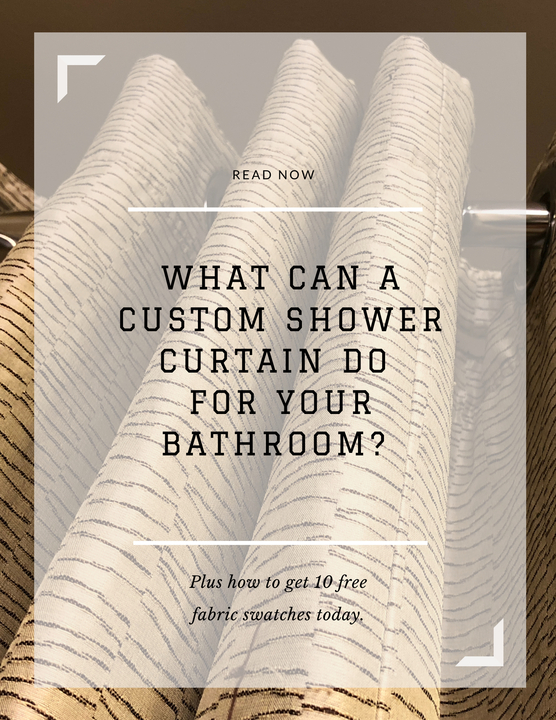

What can a custom shower curtain do for your bathroom?

When it comes to home decor, the bathroom often gets overlooked in favor of more prominent spaces like the living room or kitchen. However, the bathroom is a sanctuary where we start and end our days, and its ambiance can significantly impact our overall well-being. One underrated element that can transform your bathroom into a personalized haven is a custom shower curtain. In this blog post, we’ll explore how a custom shower curtain can elevate your bathroom and make it a more inviting and unique space.

  1. Personal Expression: A custom shower curtain provides an opportunity to express your individuality and style in a room that’s often overlooked. Whether you prefer minimalist designs, vibrant patterns, or serene landscapes, you can choose a curtain that reflects your taste. This small change can make a big difference in how you perceive and enjoy your bathroom.
  2. Coordinate with Existing Decor: Matching your shower curtain with the existing decor of your bathroom creates a cohesive and visually pleasing atmosphere. You can select colors, patterns, and textures that complement the tiles, paint, and fixtures in the space. This attention to detail can create a harmonious and well-thought-out aesthetic.
  3. Instant Room Refresh: If you’re looking for a quick and affordable way to refresh your bathroom, a custom shower curtain is an excellent choice. Swapping out an old curtain for a new one can instantly breathe new life into the room, making it feel rejuvenated and updated without the need for a complete renovation.
  4. Create a Focal Point: A captivating custom shower curtain can serve as a focal point in your bathroom’s design. Whether it’s a bold pattern, a picturesque scene, or an artistic design, a well-chosen curtain can draw attention and become a conversation starter for anyone who enters the space.
  5. Enhance Mood and Relaxation: Certain colors and patterns can evoke specific emotions and moods. Soft, calming hues and nature-inspired designs can create a tranquil environment, making your bathroom a haven for relaxation and unwinding after a long day.

A custom shower curtain goes beyond its functional purpose and becomes an integral part of your bathroom’s decor. By adding personal expression, enhancing the overall aesthetic, and creating a focal point, a custom curtain can elevate your bathroom into a space that’s both functional and aesthetically pleasing. So, why settle for the ordinary when you can infuse your personality and style into this often-neglected room? Upgrade your bathroom with a custom shower curtain and transform it into a haven that reflects your unique taste and makes a lasting impression on anyone who enters.

Shop our custom shower curtains today for 10% off!

Want 10 free fabric swatches to see what will look good in your space? Order yours on the website today.


5 Feelings you’d Have if you Invested in Shower Curtains for your Bathroom.

If you care about the way your home looks and decide to invest in a custom shower curtain for the bathrooms, you are likely to experience a mix of positive emotions and satisfaction. Here’s how you might feel:

  1. Pride: Customizing your shower curtains shows that you take pride in your home and pay attention to the details. It can be a reflection of your personal style and taste.
  2. Excitement: The process of selecting the design, colors, and materials for the custom shower curtain can be exciting. It’s an opportunity to infuse creativity into your space and make it unique.
  1. Contentment: Once the custom shower curtain is installed, you’ll likely feel content and pleased with the result. It adds a touch of elegance and individuality to your bathrooms.
  2. Comfort: If you have invested in a high-quality custom shower curtain, you may feel more comfortable and at ease knowing that it will last longer and serve its purpose effectively.
  3. Sense of Home: By customizing your shower curtain, you further personalize your living space, making it feel more like a home that reflects your personality and values.
  4. Appreciation: Visitors and guests may notice and appreciate the effort you put into the aesthetics of your home. A well-chosen custom shower curtain can be a conversation starter or a point of admiration.
  5. Motivation for Home Improvement: Investing in custom home elements may inspire you to further enhance other areas of your home, creating a domino effect of improvement projects.

It’s essential to consider your budget and priorities before investing in custom items for your home. While custom shower curtains can be a great addition, make sure it fits within your overall home improvement plan and aligns with your long-term goals for your living space.

Shop our website today and find the right fabrics for the bathroom in your home! Get 10 free fabric swatches to help you decide at 10% off your first purchase! We can’t wait to see your new home.


What Millennials Love When it Comes to their Home.

As the new generation of homeowners, millennials have revolutionized the way we look at interior design and home decor. When it comes to window treatments, this tech-savvy and environmentally conscious group values both style and functionality. Let’s explore some of the top window treatment choices that millennials adore for their homes.

  1. Smart Home Integration: Millennials are all about incorporating technology into their living spaces. Window treatments that can be controlled remotely through smartphone apps or voice commands are a big hit. Automated blinds and shades not only add convenience but also allow for better energy management, helping to reduce utility bills and lower their carbon footprint.
  2. Eco-Friendly Materials: Sustainability is a core value for millennials. They gravitate towards window treatments made from eco-friendly materials, such as bamboo, organic cotton, and recycled fabrics. These options not only contribute to a healthier planet but also add a touch of natural warmth and texture to their living spaces.
  3. Natural Light Optimization: Millennials appreciate natural light, and they seek window treatments that allow them to make the most of it. Sheer curtains and light-filtering shades are preferred over heavy, opaque drapes, as they create a bright and airy atmosphere while preserving their privacy.
  4. Minimalistic Aesthetics: The minimalist trend has captured the hearts of many millennials. Simple and clean designs for window treatments are preferred, enhancing the overall modern and uncluttered look of their homes. Neutral colors and subtle patterns are often favored to complement their contemporary interior design.
  5. Customization Options: Personalization is key for millennials, and this extends to their window treatments. They love customizable options that fit their unique tastes and home aesthetics. Whether it’s custom sizing, patterns, or materials, having a say in the design process is highly appealing to this generation.

Millennials are embracing window treatments that align with their values, lifestyle, and design preferences. From smart home integration to eco-friendly materials, customization options to energy efficiency, these tech-savvy and environmentally conscious homeowners are redefining the concept of ideal window treatments for their abodes. By striking a perfect balance between functionality and style, they are creating living spaces that reflect their individuality while contributing positively to the world around them.

Shop our website today for 10% off your purchase and don’t forget to order 10 free fabric swatches!


EVER WONDERED HOW TO CHOOSE A FABRIC?

When it comes to elevating the aesthetics of your living space, few things have the transformative power of curtains and custom window treatments. Choosing the right fabric for these spaces in your home is crucial, as it can make a significant difference in the overall ambiance and style of your home.

At Fashion Window Treatments, we take pride in offering an extensive collection of fabrics, giving you a vast array of choices to suit your taste and preferences. With over 300 options, you have every fabric you can imagine.

You can head to our website today to order 10 free fabric swatches to help make your decision seamless.  If you’re unable to find a fabric you like, we are more than happy to have you send us the fabric to use for your project. If you have any questions, please reach out to us, our team is here to help you!


Why Bold Colors an Enhance your Home Decor and Brighten your Mood.

Investing in the interior of your home is a great way to enhance its aesthetic appeal and create a space that reflects your personal style. When it comes to window treatments, choosing bold colors can have a significant impact on the overall look and feel of your home. Here are a few reasons why you might love bold colors in your window treatments:

  1. Vibrant and eye-catching: Bold colors, such as deep blues, vibrant reds, or rich purples, can instantly grab attention and add a dynamic element to any room. Window treatments in bold colors become a focal point, drawing the eye and creating visual interest. They can make a statement and add a touch of personality to your space.
  2. Adds character and uniqueness: Bold-colored window treatments can help infuse your home with character and uniqueness. They offer an opportunity to showcase your individuality and design taste. Whether you prefer a modern, eclectic, or traditional style, bold colors can help create a distinctive look that sets your home apart.
  3. Enhances the overall ambiance: Colors have a psychological impact on our mood and emotions. Bold colors can evoke specific feelings and create a desired atmosphere in your home. For example, warm tones like oranges and yellows can bring energy and excitement to a room, while cool hues like greens and blues can create a calming and soothing environment. By selecting bold window treatments in colors that resonate with the ambiance you want to create, you can enhance the overall mood of your space.
  4. Adds depth and dimension: Window treatments are an essential part of any interior design scheme, and choosing bold colors can add depth and dimension to your windows. Bold colors can visually expand a room or make it feel more intimate, depending on the shade and the overall design concept. They can also complement other elements in the room, such as furniture or accent pieces, and tie the space together.
  5. Versatility and flexibility: Bold colors in window treatments can be versatile and work well with various design styles. They can be incorporated into a monochromatic color scheme to create a dramatic contrast, or they can be used alongside complementary colors to create a cohesive and harmonious look. Bold colors can also be easily updated or changed if you decide to refresh your home’s interior design in the future.

Remember to consider the overall color scheme and style of your space when choosing bold window treatments. It’s essential to strike a balance between boldness and coherence to ensure a visually pleasing result. Consider consulting with an interior designer or using visual tools to help you visualize different color combinations before making a final decision.

Be sure to shop over 400 different fabrics on our website today for 10% off today! Need help? Shoot us an email and we are happy to.